
As 2025 winds down, smart companies are already peeking over the fence to see what’s next. The energy efficiency trends of 2026 are already pushing changes in how buildings run and what they cost to keep open. Power bills keep climbing, rules around sustainability only seem to tighten, and customers notice when companies drag their feet. The businesses thinking ahead now are the ones that won’t get blindsided down the line.
Charging Ahead with EV Infrastructure
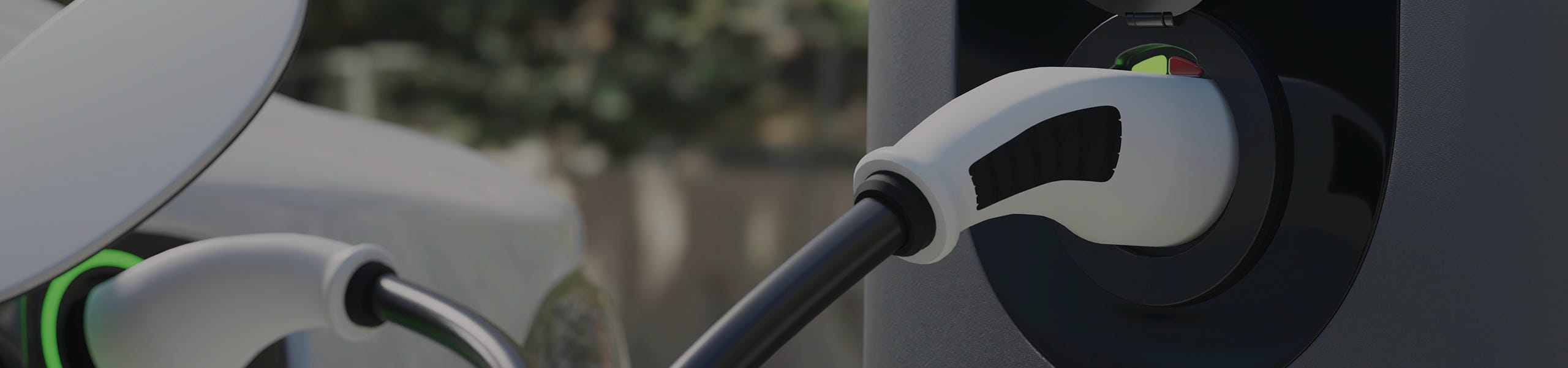
Take a walk through any city lot and you’ll spot more electric cars than you did just a couple of years ago. That curve is only going up. Companies that invest in EV charging stations now are doing more than keeping up appearances. They’re giving staff and tenants a reason to stay, attracting customers who expect modern amenities, and locking in incentives before they shrink.
For property owners, the payoff comes in another form too: higher property value and stronger leasing appeal. A building with EV chargers looks forward-thinking; one without starts to look dated fast.
Smarter Buildings with BMS
The days of running HVAC and lighting by gut feel are over. Building Management Systems, or BMS, are moving from “only for the big guys” to realistic for mid-sized businesses. With one dashboard, operators can see what’s happening across heating, cooling, and lighting, spot waste before it turns into a nasty bill, and set schedules that make sense.
Ten years back, these systems were expensive and clunky. Now they’re cheaper, easier to use, and pay for themselves through steady savings. It’s not glamorous tech, but it’s practical, and it saves people from chasing down every little issue by hand.
Renewables Coming into Play
More businesses are looking at solar panels on rooftops or tapping into renewable energy credits. Not every building can support its own generation, but where it’s possible, it cuts dependence on rising utility rates. Even partial adoption lowers bills and scores points with customers who care about sustainability.
And don’t forget, incentives are still strong here. Federal and state programs make renewables less intimidating financially. Companies that move sooner often get the bigger slice of support, while those who wait may find the pot running low.
Regulations Getting Tighter
In New York—and plenty of other states nearby—the rules around sustainability keep getting tougher. Emissions limits, mandatory reporting, fines for wasteful buildings…it’s all moving in one direction. Companies that shrug it off now will only end up scrambling later, probably at a higher cost.The smarter approach is to start upgrades now, when there’s more control and more support available.
Why 2026 Matters
So why look at 2026 specifically? Because many of these shifts are hitting scale right around then. EV adoption, stricter codes, and wider renewable use aren’t abstract—they’re on the near horizon. Companies that delay will find themselves paying more for rushed upgrades, missing out on rebates, and falling behind competitors who moved early.
The energy efficiency trends of 2026 reward businesses that treat upgrades like an investment instead of a headache. The cost of doing nothing isn’t just higher bills; it’s fines, missed opportunities, and a weaker position in the market.
How Efficiency Plus Fits
Sorting through these changes takes time and experience. That’s where Efficiency Plus helps. Some businesses just need a handful of EV chargers and updated lighting. Others need bigger work: HVAC replacements, renewables, or a full BMS rollout. Our job is to line up the right projects, grab every available rebate, and keep the financing practical.
This isn’t a race to grab the newest gadget. The real goal is trimming waste, keeping expenses down, and making buildings more comfortable for the people who actually spend time in them. The future of commercial energy is shifting fast, and the companies that start adjusting now will be in far better shape than the ones that wait.

 4770 White Plains Road, Bronx, NY
 info@efficiencyplus.co
 929.429.3720